
This week our poetry news round up takes a look at a new book of long-lost works and the first time a rare flute linked to Robert Burns is to be played.
Long Lost Works Revived in New Book
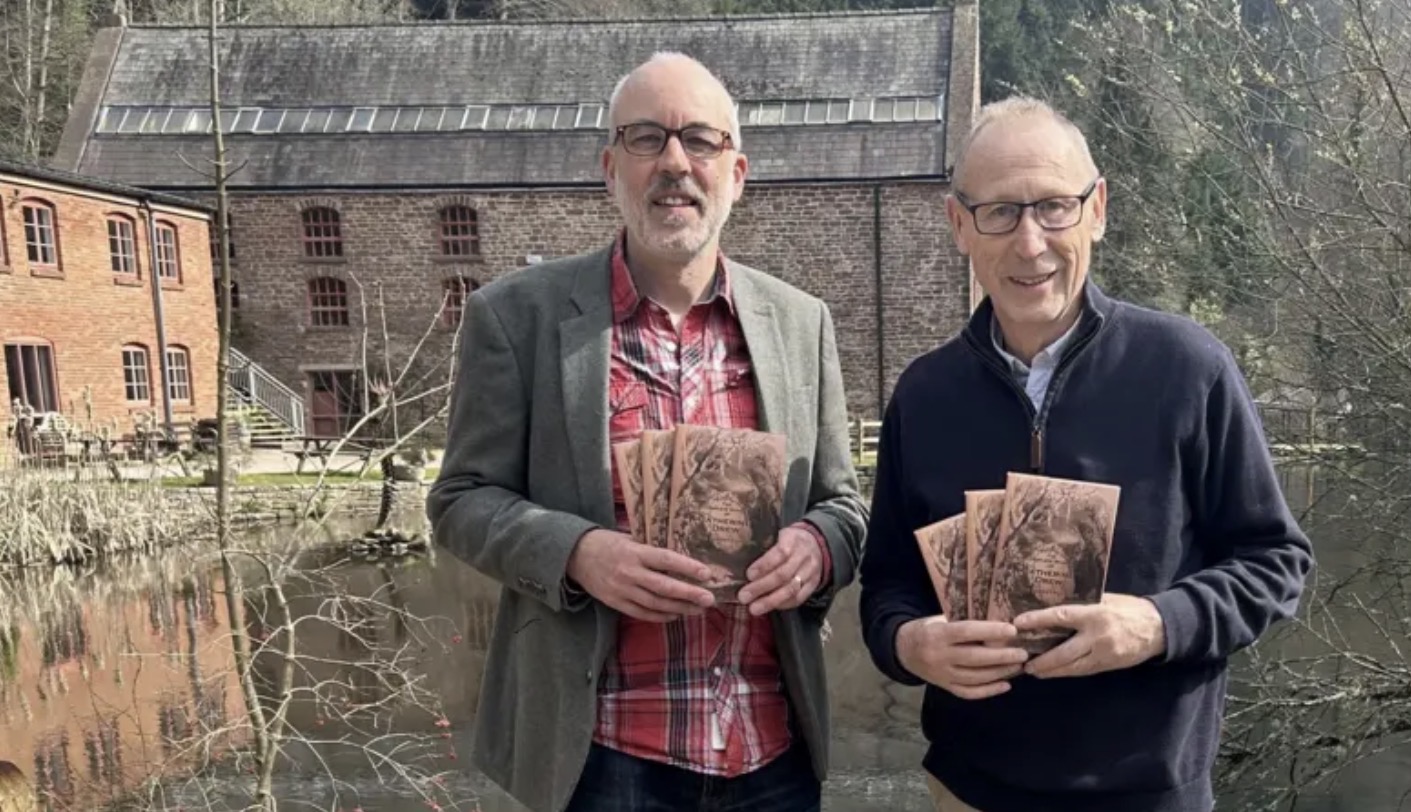
A collection of lost manuscripts and poems that were written during the 19th Century by a remarkable woman have been put into a book to honour the literary legacy that she left behind. Some of the poems in the book, which were handwritten, were originally published in 1841.
The poems which were penned by Catherine Drew, who was also referred to as The Forest Poetess, have been placed on display at the Gloucestershire’s Dean Heritage Centre.
The book was put together by researchers from the University of Gloucestershire using materials that are part of the Forest of Dean Writers Collection, which contains over 1000 literary items which document around 200 years of the areas history. Whilst most of the material in the collection is linked to the 20th Century up to the 1980’s the materials linked to Drew date the collection much further back.
Drew was born in 1784 and was considered to be an exceptional figure. She chronicled the industrial revolution during the period when the rural landscape was being transformed by the iron and coal industry. She is considered rather unique for her poetry which is not “pastural generic poetry” but rather very descriptive and specific. Her poetry is filled with real people, events and places so can be considered documentary accounts of the time. She was also a prolific writer, and her work resonates with modern audiences.
The Complete Works of Catherine Drew is the first book that the heritage centre will have published, and until just a couple of years ago the researchers were only aware of just 10 poems written by Drew. They were conducting a review of the archive when they discovered handwritten manuscripts, signed by Drew. A number of poems have been loaned to them from the poets distant relatives as well.
Burns Flute to Help Save Poet’s Farm
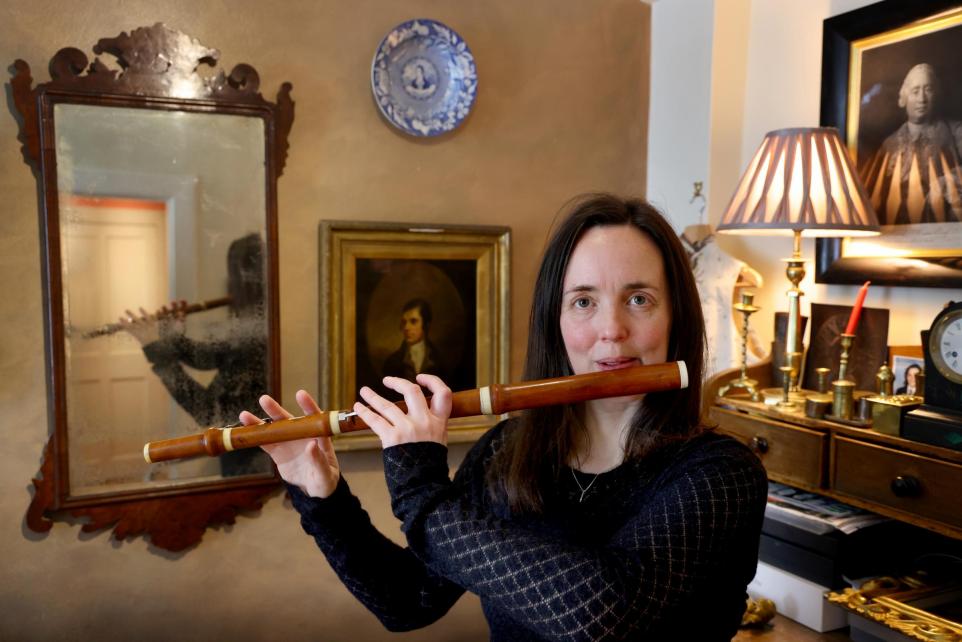 A flute that is 200 years old and has links to the poet Robert Burns will be heard for the first time this week in the United States as part of a campaign to help save Ellisland Farm, where Auld Lang Syne was written.
As centuries of silence, the recently restored flute will be played during Tartan Week in New York City. It is hoped that the events will help to raise vital funds and aware to help with the preservation of the only home that Burns ever built, Ellisland Farm.
Built around 1788, Ellisland is where the poet wrote around one third of his works. Due to years of structural decay and weathering the property needs a significant injection of funds to secure its future.
The flute, which was owned by Burn’s son has been unplayable for decades but has now been carefully restored. It will be played during the event by Claire Mann, a traditional flautist, and the only musician who is entrusted with it, alongside a pair of award-winning Scottish artists.
It is hoped that the campaign will eventually raise a sum of around £12 million, which will be used not only to restore Ellisland but also to develop a cultural programme and guest accommodation. This will provide a sustainable income for the future .



You must register to comment. Log in or Register.