
Today, we’ll take a look at the 300 year old mystery of Joachim do Bellay, and the collaboration between Scotland and Jamaica.
Archaeologists Solve 300-Year-Old Mystery
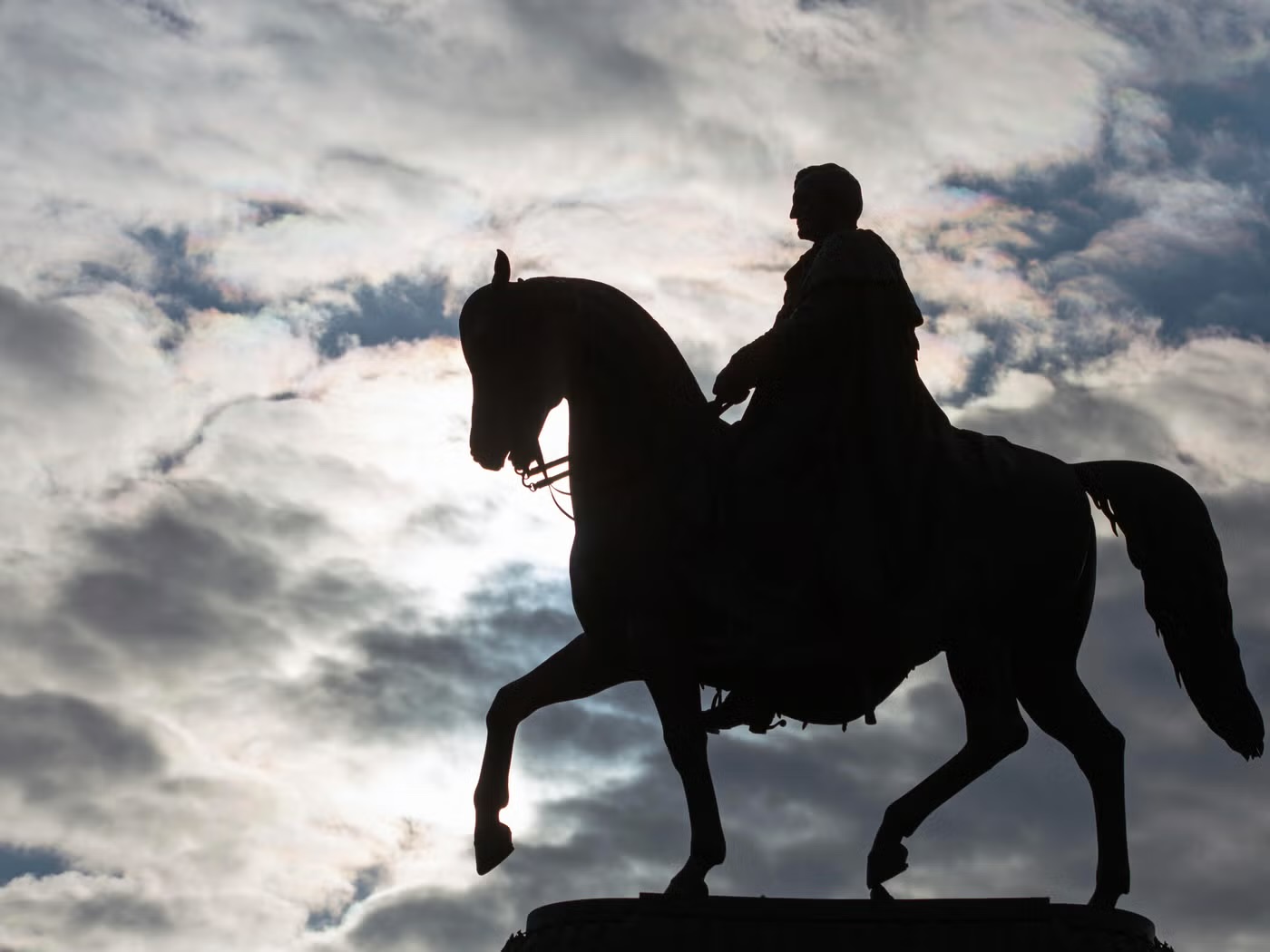 French researchers and archaeologists believe that they have identified the final remains of Joachim du Bellay, the famed French Renaissance poet who died in 1650.
Following the poets death, it was never fully known where the final resting place of the poet’s body was although there were indications that he had been buried alongside his uncle under the Notre Dame Cathedral in Paris. Archaeologists looking for his remains in 1758 were, however, unable to find him.
Following the fires in the Cathedral in 2019 restoration work undertaken by archaeologists uncovered 100 unknown burials including a lead lined coffin, the contents of which the nicknamed “The Horseman” as studies indicated the bones were those of a man who had ridden from a very early age. A group of experts now believe The Horseman to be du Bellay. The official announcement was made by the French National Institute of Preventive Archaeological Research (INRAP).
Because Notre Dame was built on a cemetery, the discover of the 100 burials wasn’t too much of a surprise to those working on the site however there were two burials that stood out due to the lead sarcophagi. One of these coffins had a plaque epitaph on it identifying it as the coffin of a long serving priest from the cathedral. However, the other one proved more of a mystery.
The remains were forensically studied and determined to be those of someone who died in their 30s having suffered with chronic tuberculous meningitis during the 16th century. The majority of those buried in Notre Dame were elderly men so this age was a surprise.
The researchers then decided to look at du Bellay. Age, illness, and horseback riding were significant clues that led them to the possibility that the body was that of du Bellay – who hadn’t been buried near his uncles identified burial site. The only inconsistency that they found to their theory was that isotope analysis suggested the bones were those of someone who grew up in Paris or Lyon, whilst du Bellay was born in Anjou and didn’t move to Paris until he was older.
With the lack of DNA that could give them a 100% positive confirmation, researchers believe that all the facts leave little doubt that they have finally found the final resting place of Joachim du Bellay.
New Collaboration at the Scottish Poetry Library Celebrates Connection Between Scotland and Jamaica
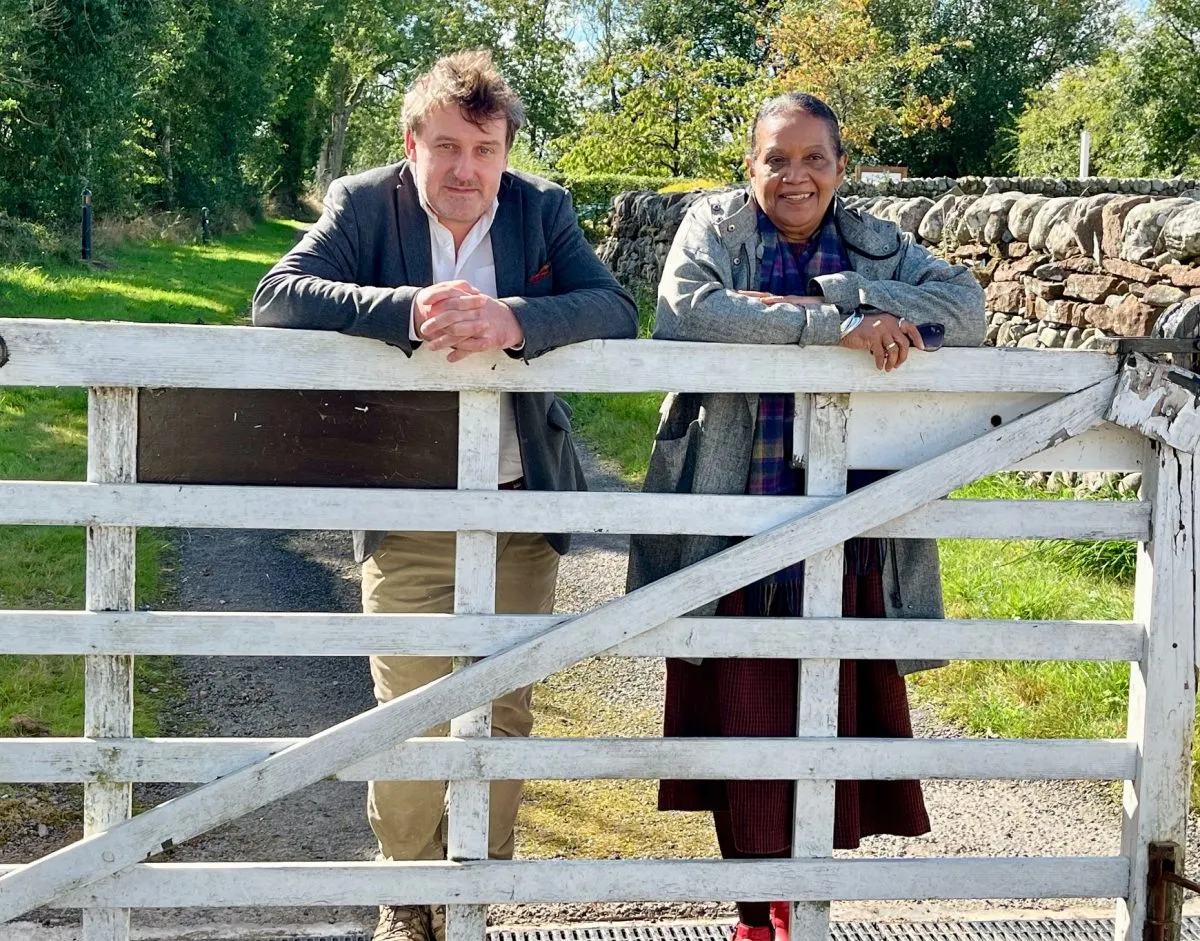 During an event titled “Level Vibes” The Scottish Poetry Library will be celebrating the connection between Scotland and Jamaica. They will be offering up a critical discourse of poetic voices that will respond to the Legacy of Robert Burns as part of the event.
A one point in his life Burns was set to sail to Jamaica to take up a position as a bookkeeper, plans that he never followed through with.



You must register to comment. Log in or Register.