
This week on My Poetic Side we take a look at a portrait of Robert Burns and also a new book, which claims that Shakespeare might have been a black Jewish woman.
Long Lost Portrait of Robert Burns Goes on Display in Time for Burns Night
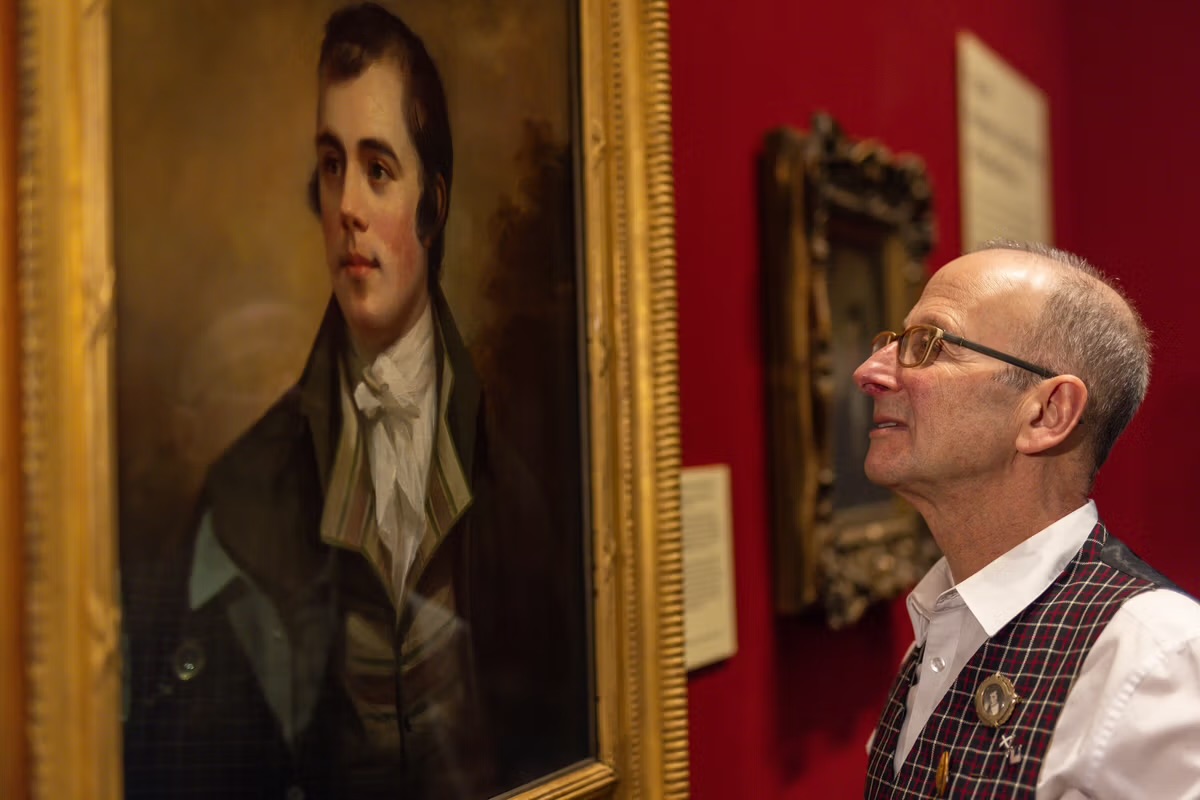 A long-lost painting of Scotland’s greatest poet, Robert Burns, has gone on display at the National Gallery of Scotland, coinciding with this years Burns Night. The annual celebration of Robert Burns was celebrated on 25th January and the portrait, which was painted by Henry Raeburn, resurfaced last year. It had been lost for over 200 years.
The painting, which was executed in the early 19th century came to light during a house clearance that took place in Surrey. It subsequently went to Auction in March 2025 where it was give a guide price of just £300 – £500. It was purchased for £68,000, by the director of the Blackie House Library and Museum which is located in Edinburgh, following a nine-minute bidding war.
“Lost Raeburns” come up for auction almost every year. However, most of them are determined to be copied as this particular painting is a widely copied one. The director took a gamble that this picture which was covered in dark varnish and dirt was in fact an original and that gamble paid off.
Shakespeare Was a Black Jewish Woman?
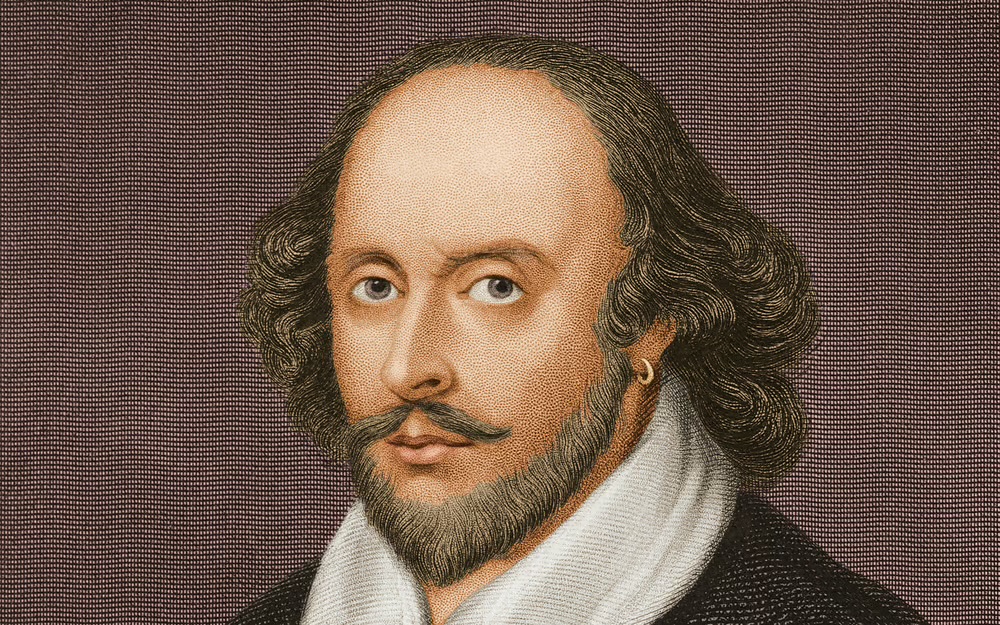 A controversial book written by Irene Coslet; a Feminist historian makes the startling claim that William Shakespearewas not a man but in fact a “black Jewish woman” who had her work stolen by a businessman who was semi-literate.
Coslet believes that Emilia Bassano, a Tudor poet is the true author and that her identity was hidden by members of the literary establishment. She also suggests that she in fact used the name “Shakespeare” as a pen name
In her book “The Real Shakespeare” Coslet suggests that the narrative of a “white” male genius was preferred by Elizabethan society over the idea of accepting a black female playwright. Bassano was the mistress of Henry Carey, 1stBaron Hunsdon and through him, she had connections to the world of theatre.
This is not the first time that Bassano and Shakespeare have been linked. It has long been speculation in literary circles that Bassano is in fact the “Dark lady” who is immortalised in The Bard’s sonnets.
There was never any question during Shakespeare’s lifetime over his authorship and Ben Jonson, his theatrical rival went as far as to praise him as a “genius for all time”.
Over the centuries there have been many conspiracy theories. At one point it was suggested that Christopher Marlowe had made significant contributions to the body of work attributed to Shakespeare. Many of the theories arise as a result of the modest origins of Shakespeare and his limited schooling
Last year, Jodi Picoult, an American novelist made similar claims in her book, suggesting Shakespeare
“sold his name to people who wanted to hide themselves as writers”.
There is no denying, however, that Bassano published original poetry under her own name and was the first woman in England to do so.



You must register to comment. Log in or Register.